

 简体中文
简体中文
 ภาษาไทย
Shrimp Paste
Ingredient Profile & Cooking Guide
🛒 Buy this ingredient online

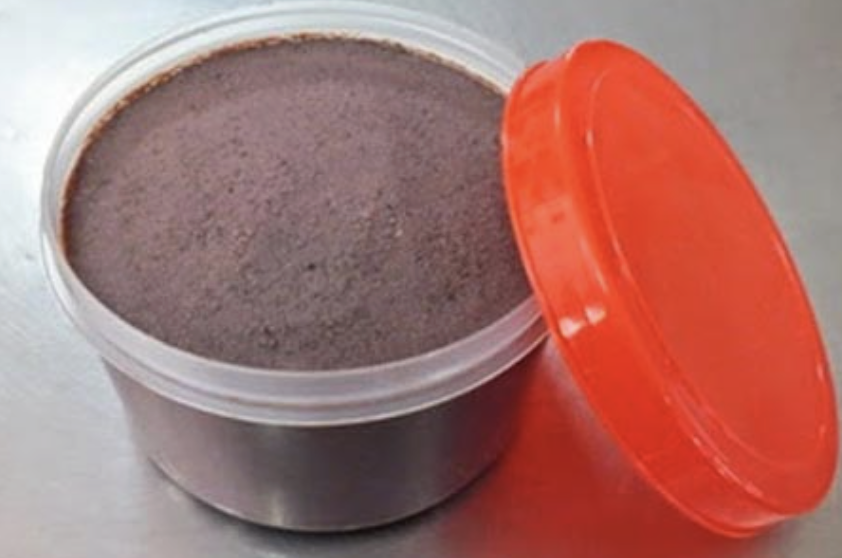
💡 A pungent, fermented condiment made by mixing "Krill" (tiny, shrimp-like crustaceans) with salt. The mixture is sun-dried and ground into a smooth, thick paste.
1. Main Ingredients: Fresh krill and sea salt. Some regional varieties might add a touch of sugar to balance the saltiness.
Key Characteristics:
Aroma: Very strong and pungent when raw, but transforms into a rich, savory aroma once cooked.
Flavor: Deeply salty and packed with intense Umami. It acts as a natural flavor enhancer.
Common Types:
Curry Grade: Coarser and saltier; ideal for pounding into curry pastes.
Chili Paste Grade: Finer texture, more aromatic, and milder; perfect for dips (Nam Prik) or eating raw with sour fruits.
2. 🛒 Tips for Selection
Color: Look for a natural dull pink or light purple-grey hue. Avoid bright red (artificial dye) or excessively black paste (old or poor quality).
Texture: It should be smooth and consistent, not watery or gritty with sand and shells.
Smell: It should have a clean, fermented seafood scent. Avoid any that smell rotten or metallic.
Taste: It should be savory-salty. If it tastes sour, it has likely spoiled.
3. 🔪 How to Use
Preparation: For the best flavor in dips, it is traditional to wrap the paste in a banana leaf and grill it briefly. This toasts the paste and releases its full aromatic potential.
Culinary Roles:
Curry Paste: An essential base for almost all Thai curries.
Dips & Sauces: The star of "Nam Prik Kapi" (Shrimp Paste Dip).
Stir-fries: Used in "Khao Kluk Kapi" (Shrimp Paste Fried Rice) or stir-fried with stink beans (Sato).
Cooking Tip: Always remember that shrimp paste is already very salty. Adjust other salty seasonings (like fish sauce) accordingly after tasting.
4.
💡 Additional Information
Storage: Store in an airtight glass jar in a cool, dry place or the refrigerator. It can last for over a year if kept properly.
Nutrition Fact: High in calcium, protein, and Vitamin B12 due to the natural fermentation process.
Regional Specialties: In Thailand, high-quality shrimp paste is often associated with coastal provinces like Ranong, Rayong, and Samut Songkhram (Klong Kone).