

 English
 简体中文
简体中文
หอมแดง
ข้อมูลและคำแนะนำสำหรับการเลือกซื้อและปรุงอาหาร
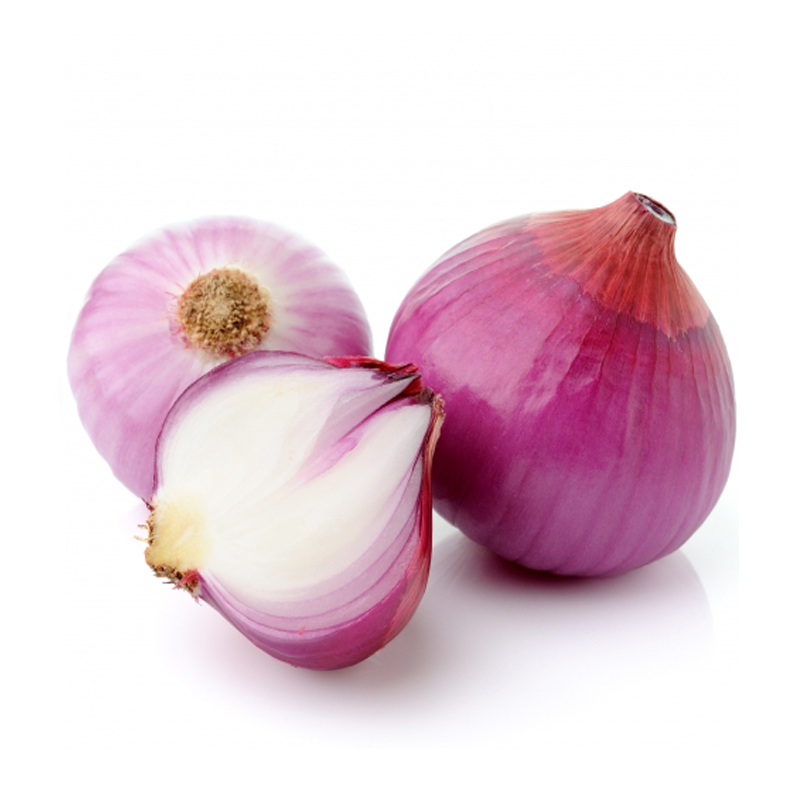


💡 วัตถุดิบที่เป็นส่วนประกอบพื้นฐานที่ขาดไม่ได้ในอาหารไทยและเอเชียตะวันออกเฉียงใต้ ซึ่งให้ทั้งกลิ่นหอม รสชาติที่ซับซ้อน และทำหน้าที่เป็นตัวประสานรสชาติในพริกแกง
หอมแดงมีรสชาติที่เป็นเอกลักษณ์เฉพาะตัว ซึ่งต่างจากหอมใหญ่ตรงที่มีความ "เผ็ดร้อน" มากกว่าเมื่อทานดิบ แต่จะเปลี่ยนเป็นความ "หวานหอม" ที่นุ่มนวลเมื่อผ่านความร้อน
1. คุณลักษณะและรสสัมผัส
กลิ่นหอมที่เข้มข้น: มีสารประกอบกำมะถันสูงกว่าหอมใหญ่ ทำให้มีกลิ่นฉุนที่เป็นเอกลักษณ์ซึ่งช่วยดับคาวเนื้อสัตว์ได้ดี
รสชาติที่หลากหลาย: เมื่อทานดิบจะให้รสเผ็ดซ่าและกรอบ แต่เมื่อปรุงสุกหรือคั่วจะมีความหวานฉ่ำและเนื้อสัมผัสที่นุ่มละมุน
ขนาดและสี: มีขนาดเล็ก ผิวเปลือกสีแดงอมม่วง เนื้อในเป็นชั้นๆ สีขาวอมชมพู
2. การใช้งานในเมนูต่างๆ
หัวใจของพริกแกง: หอมแดงเป็นส่วนประกอบหลักในพริกแกงเกือบทุกชนิด ช่วยเพิ่มเนื้อสัมผัสให้พริกแกงมีความข้นและให้ความหวานธรรมชาติเมื่อนำไปผัด
เครื่องเคียงและยำ: ใช้ซอยสดใส่ในเมนูยำ ลาบ หรือทานคู่กับขนมจีนและเมี่ยงคำ เพื่อเพิ่มความสดชื่นและรสเผ็ดตัดเลี่ยน
หอมเจียว (Crispy Shallots): การซอยหอมแดงแล้วทอดจนเหลืองกรอบ เป็นเครื่องโรยหน้าที่สำคัญของเมนูอย่าง ไก่ทอดหาดใหญ่, ข้าวหมกไก่ หรือขนมหม้อแกง
3. เทคนิคสำคัญ
การคั่วเพิ่มความหอม: ในเมนูต้มยำหรือต้มโคล้ง การนำหอมแดงทั้งหัวไปคั่วหรือเผาไฟให้ผิวนอกเกรียมเล็กน้อยก่อนบุบใส่ลงในหม้อ จะช่วยให้น้ำซุปมีกลิ่นหอมและรสหวานนวลยิ่งขึ้น
การเจียวหอมให้กรอบนาน: ควรซอยหอมให้หนาเท่าๆ กัน ผึ่งให้แห้งเล็กน้อย และเริ่มทอดจากน้ำมันที่ไม่ร้อนจัดจนเกินไป เมื่อหอมเริ่มเหลืองอ่อนให้รีบตักขึ้นทันทีเพราะความร้อนสะสมจะทำให้หอมแดงมีสีเข้มขึ้นเอง
การลดอาการแสบตา: การนำหอมแดงไปแช่เย็นก่อนนำมาปอกหรือซอย จะช่วยลดการฟุ้งกระจายของสารที่ทำให้ระคายเคืองตาได้
1. คุณลักษณะและรสสัมผัส
กลิ่นหอมที่เข้มข้น: มีสารประกอบกำมะถันสูงกว่าหอมใหญ่ ทำให้มีกลิ่นฉุนที่เป็นเอกลักษณ์ซึ่งช่วยดับคาวเนื้อสัตว์ได้ดี
รสชาติที่หลากหลาย: เมื่อทานดิบจะให้รสเผ็ดซ่าและกรอบ แต่เมื่อปรุงสุกหรือคั่วจะมีความหวานฉ่ำและเนื้อสัมผัสที่นุ่มละมุน
ขนาดและสี: มีขนาดเล็ก ผิวเปลือกสีแดงอมม่วง เนื้อในเป็นชั้นๆ สีขาวอมชมพู
2. การใช้งานในเมนูต่างๆ
หัวใจของพริกแกง: หอมแดงเป็นส่วนประกอบหลักในพริกแกงเกือบทุกชนิด ช่วยเพิ่มเนื้อสัมผัสให้พริกแกงมีความข้นและให้ความหวานธรรมชาติเมื่อนำไปผัด
เครื่องเคียงและยำ: ใช้ซอยสดใส่ในเมนูยำ ลาบ หรือทานคู่กับขนมจีนและเมี่ยงคำ เพื่อเพิ่มความสดชื่นและรสเผ็ดตัดเลี่ยน
หอมเจียว (Crispy Shallots): การซอยหอมแดงแล้วทอดจนเหลืองกรอบ เป็นเครื่องโรยหน้าที่สำคัญของเมนูอย่าง ไก่ทอดหาดใหญ่, ข้าวหมกไก่ หรือขนมหม้อแกง
3. เทคนิคสำคัญ
การคั่วเพิ่มความหอม: ในเมนูต้มยำหรือต้มโคล้ง การนำหอมแดงทั้งหัวไปคั่วหรือเผาไฟให้ผิวนอกเกรียมเล็กน้อยก่อนบุบใส่ลงในหม้อ จะช่วยให้น้ำซุปมีกลิ่นหอมและรสหวานนวลยิ่งขึ้น
การเจียวหอมให้กรอบนาน: ควรซอยหอมให้หนาเท่าๆ กัน ผึ่งให้แห้งเล็กน้อย และเริ่มทอดจากน้ำมันที่ไม่ร้อนจัดจนเกินไป เมื่อหอมเริ่มเหลืองอ่อนให้รีบตักขึ้นทันทีเพราะความร้อนสะสมจะทำให้หอมแดงมีสีเข้มขึ้นเอง
การลดอาการแสบตา: การนำหอมแดงไปแช่เย็นก่อนนำมาปอกหรือซอย จะช่วยลดการฟุ้งกระจายของสารที่ทำให้ระคายเคืองตาได้