

 English
 简体中文
简体中文
ไข่ไก่
ข้อมูลและคำแนะนำสำหรับการเลือกซื้อและปรุงอาหาร
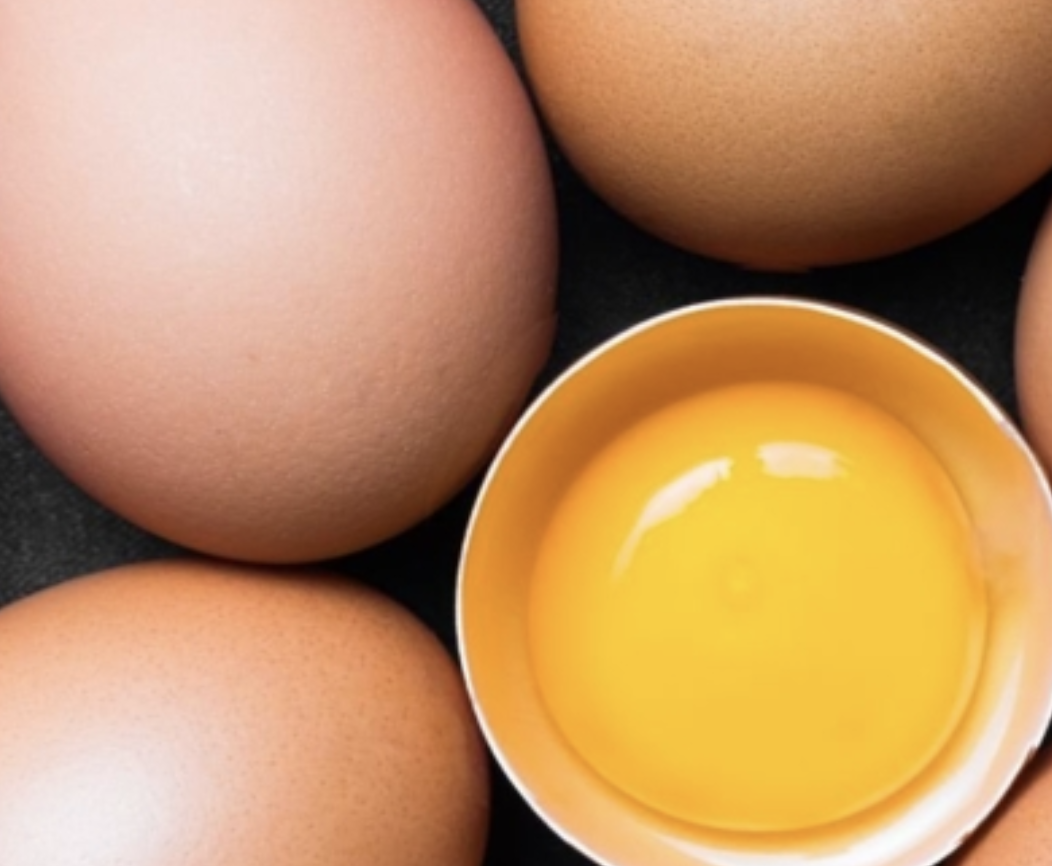


💡 ไข่ไก่เป็น "วัตถุดิบสารพัดประโยชน์" ที่แทบทุกครัวเรือนต้องมี ด้วยคุณสมบัติทางเคมีที่โดดเด่น ทำให้มันไม่ได้เป็นเพียงอาหาร แต่ยังเป็นตัวประสาน (Binder) และตัวที่ทำให้ขนมขึ้นฟู (Leavening agent) ในการทำอาหารและเบเกอรี่
1. คุณลักษณะและรสชาติ
รสชาติที่กลมกล่อมและสมดุล: ไข่ไก่มีรสชาติที่ละมุน ไม่คาวจัดเท่าไข่เป็ด ทำให้เข้ากับวัตถุดิบอื่นได้ง่ายทั้งคาวและหวาน
เนื้อสัมผัสที่นุ่มนวล: ไข่ขาวของไข่ไก่มีความอ่อนนุ่มกว่า เมื่อสุกแล้วจะมีลักษณะนุ่มเด้งแต่ไม่กระด้าง
โครงสร้าง: ไข่ไก่มีสัดส่วนของไข่ขาวและไข่แดงที่สมดุล เหมาะสำหรับการนำไปตีให้เกิดฟองอากาศ
2. การเตรียมและการใช้งาน
พื้นฐานของเบเกอรี่: ไข่ไก่คือหัวใจของเค้กและขนมปัง เพราะโปรตีนในไข่จะช่วยสร้างโครงสร้างให้ขนม และการตีไข่ขาวช่วยให้ขนมมีความนุ่มฟู (Aeration)
ตัวประสาน (Emulsifier): ไข่แดงมี "เลซิติน" ซึ่งช่วยให้ส่วนผสมที่เป็นน้ำและน้ำมันเข้ากันได้ดี เช่น การทำน้ำสลัดมายองเนส หรือซอสต่างๆ
เมนูอาหารเช้า: ด้วยความที่สุกไวและรสชาติเบา จึงนิยมนำมาทำเมนูที่ต้องการความละเอียดอ่อน เช่น ออมเล็ต (Omelet), ไข่คน (Scrambled eggs) หรือไข่ลวก
3. เทคนิคสำคัญ
ระดับความสุก: ไข่ไก่สามารถกินได้หลายระดับ ตั้งแต่ดิบ (ในบางวัฒนธรรม), ยางมะตูม (Soft-boiled) ไปจนถึงสุกเต็มที่ (Hard-boiled) ซึ่งแต่ละระดับให้เนื้อสัมผัสที่ต่างกันโดยสิ้นเชิง
อุณหภูมิกับการประกอบอาหาร: การทำเบเกอรี่ส่วนใหญ่ควรใช้ไข่ที่อุณหภูมิห้องเพื่อให้ตีขึ้นฟูได้ดีที่สุด แต่หากจะแยกไข่แดงและไข่ขาว การใช้ไข่เย็นจะช่วยให้แยกได้ง่ายกว่า