

 English
 简体中文
简体中文
กุ้ง
ข้อมูลและคำแนะนำสำหรับการเลือกซื้อและปรุงอาหาร
🛒 ซื้อวัตถุดิบนี้ได้ที่

💡 กุ้งเป็นที่นิยมไปทั่วโลก เพราะมีรสชาติหวานเป็นเอกลักษณ์ เนื้อสัมผัสที่เด้งสู้ฟัน และสามารถนำไปปรุงอาหารได้หลากหลายสไตล์
1. ประเภทของกุ้งที่นิยมใช้
การเลือกประเภทกุ้งให้เหมาะกับเมนูจะช่วยให้รสชาติอาหารออกมาดีที่สุด
กุ้งแม่น้ำ (Freshwater Prawn): จุดเด่นคือ "มันกุ้ง" ที่หัวซึ่งมีรสชาติเข้มข้น หอม มัน เนื้อจะนุ่มกว่ากุ้งทะเล เหมาะกับการเผาหรือทำต้มยำกุ้งน้ำข้น
กุ้งขาว (Vannamei): หาซื้อง่าย ราคาเป็นมิตร เนื้อนุ่มเด้ง เหมาะกับการผัด ต้ม หรือใส่ในแกงทั่วไป
กุ้งแชบ๊วย (Banana Prawn): เป็นกุ้งทะเลธรรมชาติ เนื้อหวานและแน่นกว่ากุ้งขาว เปลือกบางแกะง่าย นิยมนำมาทำกุ้งอบวุ้นเส้นหรือทอดกระเทียม
กุ้งกุลาดำ (Tiger Prawn): ตัวใหญ่ เนื้อแน่นและแข็งแรงที่สุด เหมาะกับเมนูย่างหรือทำสเต็ก เพราะเนื้อไม่เละง่าย
2. เนื้อสัมผัสและรสชาติ
ความหวาน: กุ้งสดจะมีน้ำตาลตามธรรมชาติ (Glycine) ที่ให้รสหวานละมุน
ความเด้ง (Snap): หัวใจสำคัญคือการไม่ทำให้กุ้ง "สุกเกินไป" (Overcook) เพราะจะทำให้เนื้อเหนียวและแห้ง
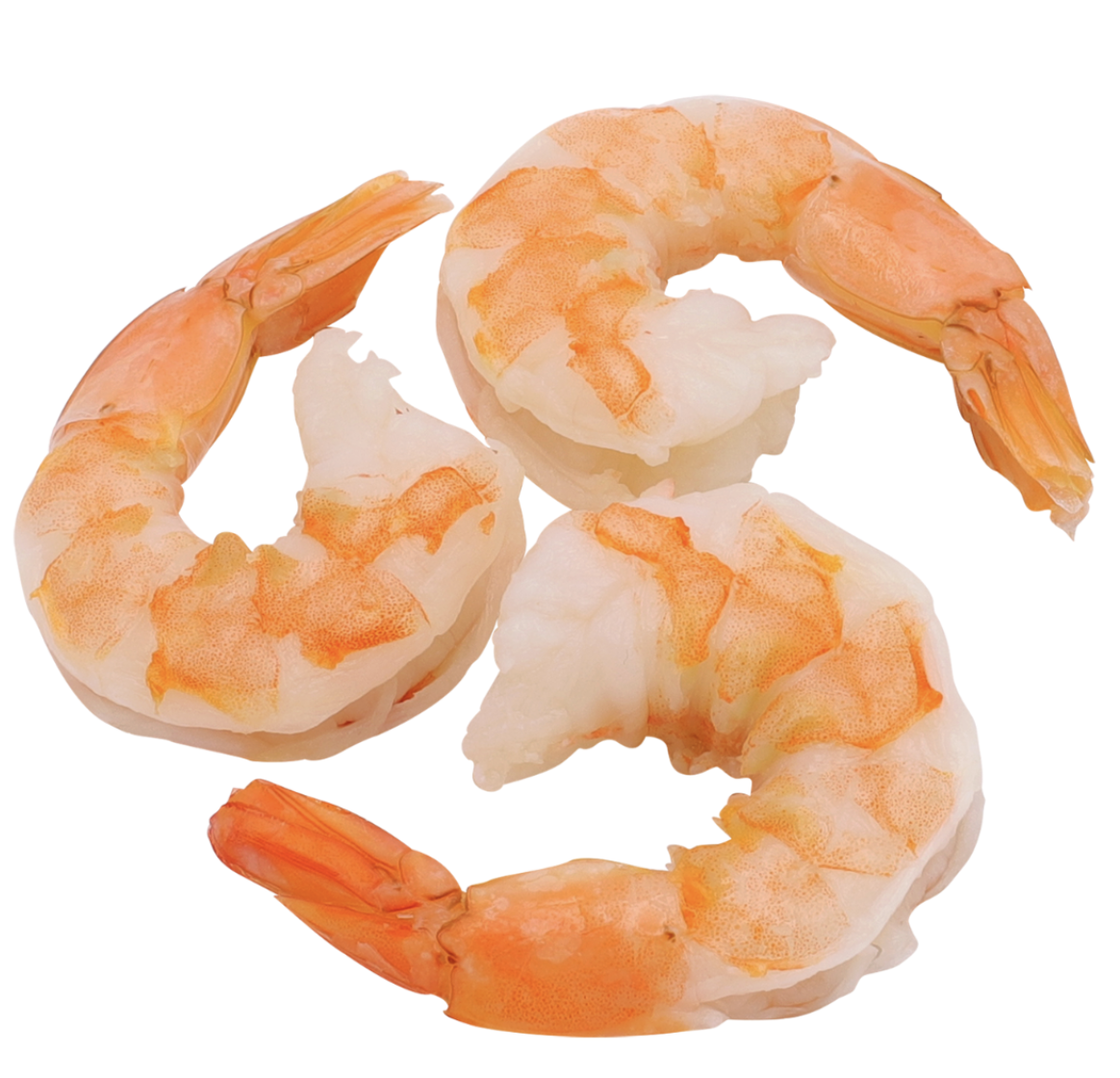
ระดับความสุก: กุ้งที่สุกพอดีจะเปลี่ยนจากสีใสเป็นสีขาวอมชมพู และตัวงอเป็นรูปตัว "C" (ถ้าเป็นรูปตัว "O" แสดงว่าเริ่มสุกเกินไปแล้วครับ)
3. การเตรียมกุ้งก่อนปรุง
การดึงเส้นดำ: เส้นสีดำหลังกุ้งคือลำไส้ ซึ่งอาจมีเศษดินหรือทราย การเอาออกจะช่วยให้รสสัมผัสสะอาดขึ้น
การขัดผิวด้วยเกลือ/แป้งมัน: การคลุกกุ้งกับเกลือหรือแป้งมันแล้วล้างออก จะช่วยล้างเมือก คาวกุ้ง และทำให้เนื้อกุ้งดูใสและเด้งขึ้น
การทำกุ้งเด้ง (แบบร้านอาหาร): มักจะแช่กุ้งในน้ำแข็งผสมเบกกิ้งโซดาเล็กน้อย เพื่อให้เนื้อกุ้งกรอบเด้งเหมือนกุ้งแช่น้ำปลา
4. เทคนิคการดึงรสชาติ
เปลือกและหัวอย่าทิ้ง: เปลือกและหัวกุ้งคือขุมทรัพย์ของรสชาติ (Umami) สามารถนำไปต้มทำน้ำสต๊อกกุ้ง หรือเคี่ยวทำซอสมันกุ้งที่เข้มข้นได้
อุณหภูมิ: กุ้งสุกไวมาก หากทำเมนูผัด ควรใส่กุ้งเป็นลำดับท้ายๆ เพื่อรักษาความฉ่ำของเนื้อ
ข้อควรระวัง: กุ้งเป็นวัตถุดิบที่เน่าเสียง่ายมาก ควรเก็บรักษาในอุณหภูมิที่เย็นจัดตลอดเวลา และหากกุ้งมีกลิ่นแอมโมเนียหรือเนื้อเละหลุดจากเปลือก แสดงว่าไม่ควรนำมาประกอบอาหารแล้วครับ