
 English
 简体中文
简体中文
อะโวคาโด
ข้อมูลและคำแนะนำสำหรับการเลือกซื้อและปรุงอาหาร
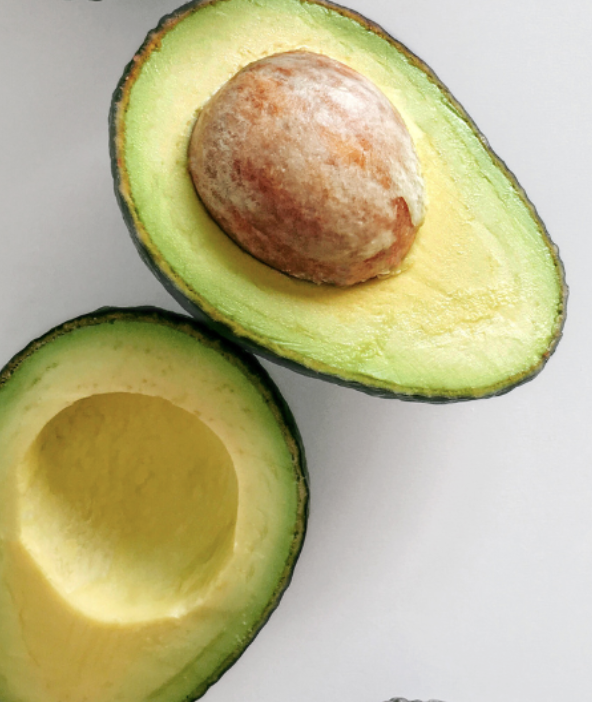


💡 ผลไม้ยอดนิยมที่ขึ้นชื่อเรื่องไขมันดีและเนื้อสัมผัสที่เนียนนุ่ม ทั้งภาษาไทยและภาษาอังกฤษตามโครงสร้างที่คุณต้องการค่ะ
🥑 อะโวคาโด (Avocado)
1. 🔍 ข้อมูลสำคัญ (Key Information)
คำจำกัดความ: อะโวคาโดเป็นผลไม้ที่มีลักษณะเด่นแตกต่างจากผลไม้อื่นคือ มีน้ำตาลต่ำ แต่มีไขมันสูง (ไขมันดี) เนื้อสัมผัสเนียนละเอียดคล้ายเนย จนได้รับฉายาว่า "เนยแห่งป่า" (Butter of the forest)
ส่วนประกอบหลัก: อุดมไปด้วยกรดไขมันไม่อิ่มตัวเชิงเดี่ยว (Oleic Acid), วิตามิน E, วิตามิน K, โพแทสเซียม และไฟเบอร์สูง
สายพันธุ์ที่พบบ่อย:
Hass (แฮส): เปลือกขรุขระ สีเขียวเข้มถึงม่วงดำเมื่อสุก เนื้อเหนียวมัน เข้มข้น เป็นสายพันธุ์ที่นิยมที่สุดทั่วโลก
สายพันธุ์พื้นเมือง (เช่น บัคคาเนียร์, ปีเตอร์สัน): เปลือกเรียบ สีเขียวสดแม้สุกแล้ว เนื้อจะนุ่มและมีน้ำมากกว่าแฮส รสชาติมันน้อยกว่าเล็กน้อย
2. 🛒 คำแนะนำวิธีเลือกซื้อ (Tips for Selection)
การดูความสุก:
ดิบ: ผิวสีเขียวสด สัมผัสแข็ง (ต้องบ่มต่อ 3-5 วัน)
พร้อมทาน: ผิวเปลี่ยนเป็นสีเขียวเข้มหรือม่วงดำ (สำหรับพันธุ์แฮส) เมื่อกดเบาๆ จะรู้สึกนุ่มแต่ไม่เละ
ขั้วผล (The Stem Test): ลองสะกิดขั้วออกเล็กน้อย ถ้าเห็นด้านในเป็น สีเขียวหรือเหลืองทอง แสดงว่าสุกกำลังดีพร้อมทาน แต่ถ้าเป็น สีน้ำตาล แสดงว่าข้างในเริ่มช้ำหรือเน่าแล้ว
ลักษณะภายนอก: ไม่มีรอยบุบ รอยช้ำ หรือจุดดำที่นุ่มผิดปกติบนผิว
3. 🔪 วิธีใช้ (How to Use)
การเตรียม: ผ่าครึ่งตามยาว ใช้มีดสับที่เมล็ดแล้วบิดออก จากนั้นใช้ช้อนตักเนื้อออกจากเปลือก
บทบาทในอาหาร:
เมนูคาว: ใช้ทำ กัวคาโมเล่ (Guacamole), ใส่ในสลัด, วางบนขนมปังปิ้งพร้อมไข่ดาว (Avocado Toast), หรือใส่ในซูชิ
เมนูหวาน/เครื่องดื่ม: ปั่นเป็นสมูทตี้คู่กับนมหรือน้ำผึ้ง, ทำมูสช็อกโกแลตสุขภาพ (เพราะเนื้อที่เนียนช่วยเพิ่มความครีมมี่)
เทคนิค: เนื้ออะโวคาโดดำง่ายเมื่อโดนอากาศ ควรบีบมะนาวหรือเลมอน ลงบนเนื้อเพื่อชะลอการเปลี่ยนสี (Oxidation)
4.
💡 ข้อควรรู้เพิ่มเติม (Additional Information)
การเก็บรักษา: * ผลดิบให้เก็บที่อุณหภูมิห้อง (ห้ามแช่เย็นจนกว่าจะสุก มิฉะนั้นเนื้อจะแข็งกระด้าง)
ผลสุกที่ผ่าแล้ว ให้ทามะนาวแล้วห่อด้วยพลาสติกแรปให้แนบสนิทกับเนื้อเพื่อกันอากาศ เก็บในตู้เย็นได้ 1-2 วัน
เร่งความสุก: นำอะโวคาโดดิบใส่ถุงกระดาษรวมกับกล้วยหรือแอปเปิล จะช่วยให้สุกเร็วขึ้น
คุณค่าทางโภชนาการ: ช่วยลดระดับคอเลสเตอรอลที่ไม่ดี (LDL), บำรุงสายตา, และช่วยในการดูดซึมวิตามินที่ละลายในไขมันจากผักชนิดอื่นได้ดีขึ้น
1. 🔍 ข้อมูลสำคัญ (Key Information)
คำจำกัดความ: อะโวคาโดเป็นผลไม้ที่มีลักษณะเด่นแตกต่างจากผลไม้อื่นคือ มีน้ำตาลต่ำ แต่มีไขมันสูง (ไขมันดี) เนื้อสัมผัสเนียนละเอียดคล้ายเนย จนได้รับฉายาว่า "เนยแห่งป่า" (Butter of the forest)
ส่วนประกอบหลัก: อุดมไปด้วยกรดไขมันไม่อิ่มตัวเชิงเดี่ยว (Oleic Acid), วิตามิน E, วิตามิน K, โพแทสเซียม และไฟเบอร์สูง
สายพันธุ์ที่พบบ่อย:
Hass (แฮส): เปลือกขรุขระ สีเขียวเข้มถึงม่วงดำเมื่อสุก เนื้อเหนียวมัน เข้มข้น เป็นสายพันธุ์ที่นิยมที่สุดทั่วโลก
สายพันธุ์พื้นเมือง (เช่น บัคคาเนียร์, ปีเตอร์สัน): เปลือกเรียบ สีเขียวสดแม้สุกแล้ว เนื้อจะนุ่มและมีน้ำมากกว่าแฮส รสชาติมันน้อยกว่าเล็กน้อย
2. 🛒 คำแนะนำวิธีเลือกซื้อ (Tips for Selection)
การดูความสุก:
ดิบ: ผิวสีเขียวสด สัมผัสแข็ง (ต้องบ่มต่อ 3-5 วัน)
พร้อมทาน: ผิวเปลี่ยนเป็นสีเขียวเข้มหรือม่วงดำ (สำหรับพันธุ์แฮส) เมื่อกดเบาๆ จะรู้สึกนุ่มแต่ไม่เละ
ขั้วผล (The Stem Test): ลองสะกิดขั้วออกเล็กน้อย ถ้าเห็นด้านในเป็น สีเขียวหรือเหลืองทอง แสดงว่าสุกกำลังดีพร้อมทาน แต่ถ้าเป็น สีน้ำตาล แสดงว่าข้างในเริ่มช้ำหรือเน่าแล้ว
ลักษณะภายนอก: ไม่มีรอยบุบ รอยช้ำ หรือจุดดำที่นุ่มผิดปกติบนผิว
3. 🔪 วิธีใช้ (How to Use)
การเตรียม: ผ่าครึ่งตามยาว ใช้มีดสับที่เมล็ดแล้วบิดออก จากนั้นใช้ช้อนตักเนื้อออกจากเปลือก
บทบาทในอาหาร:
เมนูคาว: ใช้ทำ กัวคาโมเล่ (Guacamole), ใส่ในสลัด, วางบนขนมปังปิ้งพร้อมไข่ดาว (Avocado Toast), หรือใส่ในซูชิ
เมนูหวาน/เครื่องดื่ม: ปั่นเป็นสมูทตี้คู่กับนมหรือน้ำผึ้ง, ทำมูสช็อกโกแลตสุขภาพ (เพราะเนื้อที่เนียนช่วยเพิ่มความครีมมี่)
เทคนิค: เนื้ออะโวคาโดดำง่ายเมื่อโดนอากาศ ควรบีบมะนาวหรือเลมอน ลงบนเนื้อเพื่อชะลอการเปลี่ยนสี (Oxidation)
4.
💡 ข้อควรรู้เพิ่มเติม (Additional Information)
การเก็บรักษา: * ผลดิบให้เก็บที่อุณหภูมิห้อง (ห้ามแช่เย็นจนกว่าจะสุก มิฉะนั้นเนื้อจะแข็งกระด้าง)
ผลสุกที่ผ่าแล้ว ให้ทามะนาวแล้วห่อด้วยพลาสติกแรปให้แนบสนิทกับเนื้อเพื่อกันอากาศ เก็บในตู้เย็นได้ 1-2 วัน
เร่งความสุก: นำอะโวคาโดดิบใส่ถุงกระดาษรวมกับกล้วยหรือแอปเปิล จะช่วยให้สุกเร็วขึ้น
คุณค่าทางโภชนาการ: ช่วยลดระดับคอเลสเตอรอลที่ไม่ดี (LDL), บำรุงสายตา, และช่วยในการดูดซึมวิตามินที่ละลายในไขมันจากผักชนิดอื่นได้ดีขึ้น