
 English
 简体中文
简体中文
ควินัว
ข้อมูลและคำแนะนำสำหรับการเลือกซื้อและปรุงอาหาร
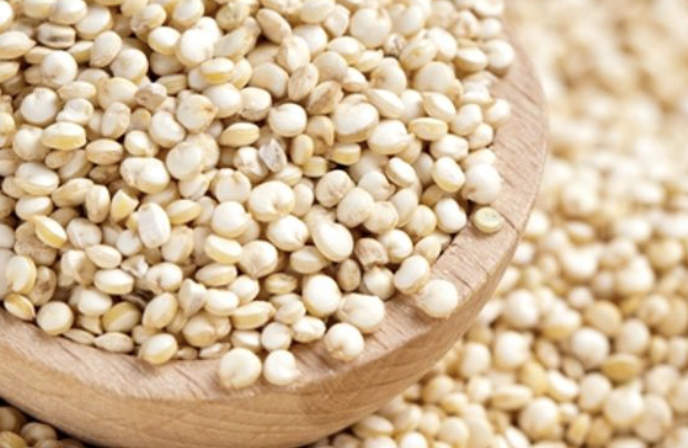


💡 ควินัวไม่ใช่ธัญพืช (Cereal) แต่เป็น "ธัญพืชเทียม" (Pseudocereal) ซึ่งเป็นเมล็ดของพืชตระกูลเดียวกับผักโขมและบีทรูท มีต้นกำเนิดจากแถบเทือกเขาแอนดีสในอเมริกาใต้
ส่วนประกอบหลัก: อุดมไปด้วยโปรตีนที่สมบูรณ์ (Complete Protein) มีกรดอะมิโนจำเป็นครบ 9 ชนิด และมีไฟเบอร์สูง
ประเภทที่พบบ่อย:
สีขาว: รสสัมผัสนุ่ม ทานง่ายที่สุด คล้ายข้าวสวย
สีแดง: เนื้อสัมผัสหนึบกว่าสีขาว มีกลิ่นหอมคล้ายถั่ว สีสวยเมื่อจัดจาน
สีดำ: กรุบกรอบที่สุดและมีความหวานเล็กน้อย มีสารต้านอนุมูลอิสระสูง
คุณสมบัติเด่น: ปราศจากกลูเตน (Gluten-free) ตามธรรมชาติ มีค่าดัชนีน้ำตาลต่ำ (Low GI)
2. 🛒 คำแนะนำวิธีเลือกซื้อ (Tips for Selection)
การทำความสะอาด: เลือกซื้อแบบที่ระบุว่า "Pre-washed" หรือล้างมาแล้ว เพื่อความสะดวก เนื่องจากเปลือกนอกของควินัวมีสาร ซาโปนิน (Saponin) ที่มีรสขม
บรรจุภัณฑ์: ควรเลือกซื้อในบรรจุภัณฑ์ที่ปิดสนิท ไม่มีร่องรอยแมลงหรือความชื้น เมล็ดควรมีขนาดสม่ำเสมอและไม่แตกหัก
แบบผสม (Mixed/Tri-color): หากต้องการความหลากหลายของเนื้อสัมผัส สามารถเลือกซื้อแบบ 3 สีผสมกันได้
3. 🔪 วิธีใช้ (How to Use)
การเตรียม: หากไม่ได้ซื้อแบบล้างมาแล้ว ต้องล้างน้ำหลายๆ ครั้ง โดยใส่กระชอนตาถี่จนกว่าน้ำจะหมดฟองเพื่อล้างความขมออก
การหุง: ใช้อัตราส่วน ควินัว 1 ส่วน ต่อ น้ำ 2 ส่วน หุงในหม้อหุงข้าวหรือต้มในน้ำเดือดประมาณ 15-20 นาที จนเมล็ดพองตัวและใสเห็นขอบขาวๆ
บทบาทในอาหาร:
แทนข้าว: ใช้ทานคู่กับกับข้าวทั่วไป
สลัด: ผสมในสลัดเพื่อเพิ่มโปรตีนและเนื้อสัมผัส (เช่น ควินัวสลัดสไตล์เมดิเตอร์เรเนียน)
อาหารเช้า: ต้มกับนมทำเป็นโจ๊กหวาน (Quinoa Porridge) ทานคู่กับผลไม้
4.
💡 ข้อควรรู้เพิ่มเติม (Additional Information)
การเก็บรักษา: ควินัวดิบควรเก็บในที่แห้งและเย็นได้นานถึง 1 ปี หากหุงสุกแล้วสามารถเก็บในตู้เย็นได้ 3-5 วัน หรือแช่แข็งได้นาน 1-2 เดือน
คุณค่าทางโภชนาการ: เป็นแหล่งของแมกนีเซียม, เหล็ก, และโพแทสเซียม ช่วยเสริมสร้างระบบย่อยอาหารและควบคุมระดับน้ำตาลในเลือด
ข้อควรระวัง: สำหรับบางคนที่ระบบย่อยอาหารอ่อนแอ ควรเริ่มทานทีละน้อยเพราะไฟเบอร์ที่สูงมากอาจทำให้ท้องอืดได้ในระยะแรก
ประเภทที่พบบ่อย:
สีขาว: รสสัมผัสนุ่ม ทานง่ายที่สุด คล้ายข้าวสวย
สีแดง: เนื้อสัมผัสหนึบกว่าสีขาว มีกลิ่นหอมคล้ายถั่ว สีสวยเมื่อจัดจาน
สีดำ: กรุบกรอบที่สุดและมีความหวานเล็กน้อย มีสารต้านอนุมูลอิสระสูง
คุณสมบัติเด่น: ปราศจากกลูเตน (Gluten-free) ตามธรรมชาติ มีค่าดัชนีน้ำตาลต่ำ (Low GI)
2. 🛒 คำแนะนำวิธีเลือกซื้อ (Tips for Selection)
การทำความสะอาด: เลือกซื้อแบบที่ระบุว่า "Pre-washed" หรือล้างมาแล้ว เพื่อความสะดวก เนื่องจากเปลือกนอกของควินัวมีสาร ซาโปนิน (Saponin) ที่มีรสขม
บรรจุภัณฑ์: ควรเลือกซื้อในบรรจุภัณฑ์ที่ปิดสนิท ไม่มีร่องรอยแมลงหรือความชื้น เมล็ดควรมีขนาดสม่ำเสมอและไม่แตกหัก
แบบผสม (Mixed/Tri-color): หากต้องการความหลากหลายของเนื้อสัมผัส สามารถเลือกซื้อแบบ 3 สีผสมกันได้
3. 🔪 วิธีใช้ (How to Use)
การเตรียม: หากไม่ได้ซื้อแบบล้างมาแล้ว ต้องล้างน้ำหลายๆ ครั้ง โดยใส่กระชอนตาถี่จนกว่าน้ำจะหมดฟองเพื่อล้างความขมออก
การหุง: ใช้อัตราส่วน ควินัว 1 ส่วน ต่อ น้ำ 2 ส่วน หุงในหม้อหุงข้าวหรือต้มในน้ำเดือดประมาณ 15-20 นาที จนเมล็ดพองตัวและใสเห็นขอบขาวๆ
บทบาทในอาหาร:
แทนข้าว: ใช้ทานคู่กับกับข้าวทั่วไป
สลัด: ผสมในสลัดเพื่อเพิ่มโปรตีนและเนื้อสัมผัส (เช่น ควินัวสลัดสไตล์เมดิเตอร์เรเนียน)
อาหารเช้า: ต้มกับนมทำเป็นโจ๊กหวาน (Quinoa Porridge) ทานคู่กับผลไม้
4.
💡 ข้อควรรู้เพิ่มเติม (Additional Information)
การเก็บรักษา: ควินัวดิบควรเก็บในที่แห้งและเย็นได้นานถึง 1 ปี หากหุงสุกแล้วสามารถเก็บในตู้เย็นได้ 3-5 วัน หรือแช่แข็งได้นาน 1-2 เดือน
คุณค่าทางโภชนาการ: เป็นแหล่งของแมกนีเซียม, เหล็ก, และโพแทสเซียม ช่วยเสริมสร้างระบบย่อยอาหารและควบคุมระดับน้ำตาลในเลือด
ข้อควรระวัง: สำหรับบางคนที่ระบบย่อยอาหารอ่อนแอ ควรเริ่มทานทีละน้อยเพราะไฟเบอร์ที่สูงมากอาจทำให้ท้องอืดได้ในระยะแรก