
 English
 简体中文
简体中文
แป้งเค้ก
ข้อมูลและคำแนะนำสำหรับการเลือกซื้อและปรุงอาหาร
🛒 ซื้อวัตถุดิบนี้ได้ที่

💡 แป้งเค้กเป็นแป้งสาลีที่มีเนื้อละเอียดที่สุด โปรตีนต่ำ และผ่านกระบวนการพิเศษเพื่อให้เหมาะสำหรับการทำขนมที่ต้องการความนุ่มเบา
1. 🔍 ข้อมูลสำคัญ (Key Information)
ส่วนประกอบหลัก: ทำจากข้าวสาลีชนิดอ่อน (Soft Wheat) ซึ่งมีปริมาณ โปรตีน (กลูเตน) ต่ำที่สุด ประมาณ 7-9% * กระบวนการผลิต: มักผ่านการฟอกสี (Bleaching) ด้วยคลอรีน ซึ่งช่วยให้แป้งดูดซับน้ำและไขมันได้ดีขึ้น และช่วยให้โครงสร้างของเค้กอยู่ทรงโดยไม่ยุบตัว
คุณสมบัติเด่น: เนื้อสัมผัสเนียนละเอียด สีขาวจัด เมื่อสัมผัสจะรู้สึกนุ่มลื่นมือ ไม่เกาะตัวเป็นก้อนง่ายเหมือนแป้งชนิดอื่น
2. 🛒 คำแนะนำวิธีเลือกซื้อ (Tips for Selection)
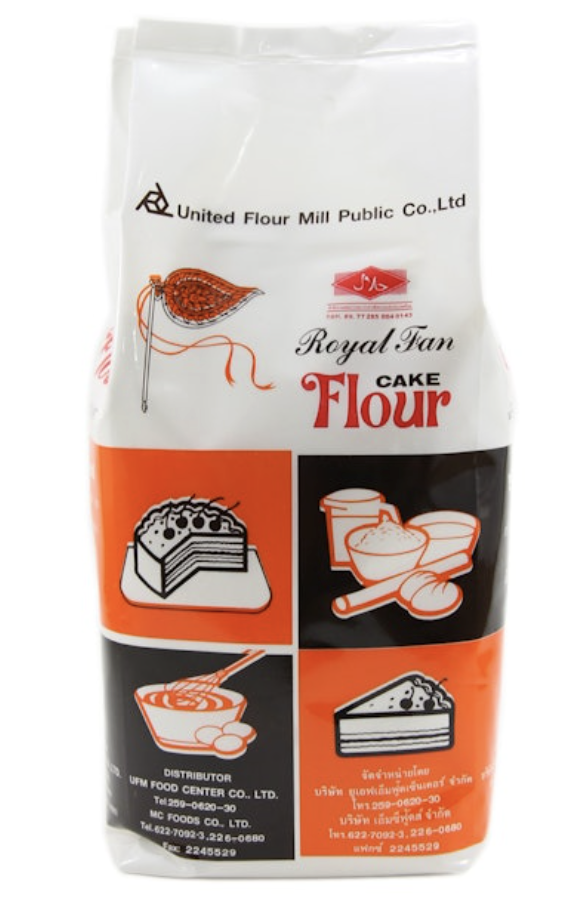
สังเกตที่ถุง: เลือกถุงที่ระบุว่า "แป้งเค้ก" (Cake Flour) ชัดเจน เนื้อแป้งข้างในควรขาวสะอาดและไม่มีมอดหรือแมลง
ความละเอียด: แป้งเค้กที่ดีจะมีความละเอียดสูงมาก เมื่อใช้นิ้วบีบจะรู้สึกนุ่มเหมือนแป้งฝุ่น
ยี่ห้อยอดนิยม: ในไทยที่คุ้นเคยกันดีคือ แป้งพัดโบก หรือแป้งที่มีสัญลักษณ์รูปเค้กบนซอง
3. 🔪 วิธีใช้ (How to Use)
หน้าที่ในขนม: * สร้างความนุ่มเบา: เนื่องจากโปรตีนต่ำ ทำให้เกิดกลูเตนน้อย ขนมจึงมีความนุ่ม (Tender) ไม่เหนียวเหมือนขนมปัง
ช่วยให้โครงสร้างอยู่ทรง: การฟอกสีช่วยให้แป้งพยุงน้ำตาลและไขมันปริมาณสูงได้ดี ทำให้เค้กฟูสวย
ตัวอย่างเมนู: ชิฟฟ่อนเค้ก, สปันจ์เค้ก, บัตเตอร์เค้ก, สลิ่ม, หรือขนมปุยฝ้าย
เทคนิคการใช้: ต้องร่อนแป้งเสมอ ก่อนนำไปผสม เพื่อให้อากาศเข้าไปในเนื้อแป้ง ช่วยให้ขนมฟูเบาและป้องกันแป้งจับตัวเป็นก้อนในส่วนผสมเปียก
4.
💡 ข้อควรรู้เพิ่มเติม (Additional Information)
การเก็บรักษา: ควรเก็บในที่แห้ง เย็น และใส่ในภาชนะที่ปิดมิดชิดเพื่อป้องกันมอดและความชื้น
สูตรทดแทน (Substitution): หากหาแป้งเค้กไม่ได้ ให้ใช้ แป้งอเนกประสงค์ 1 ถ้วยตวง ตักออก 2 ช้อนโต๊ะ แล้วแทนที่ด้วยแป้งมันสำปะหลังหรือแป้งข้าวโพด 2 ช้อนโต๊ะ แทน จะได้ผลลัพธ์ที่ใกล้เคียงกัน
ข้อควรระวัง: ไม่ควรใช้แป้งเค้กทำขนมปัง เพราะจะไม่มีแรงดึงตัวพอที่จะทำให้ขนมปังพองสวยและเหนียวนุ่มได้