
 English
 简体中文
简体中文
แครกเกอร์
ข้อมูลและคำแนะนำสำหรับการเลือกซื้อและปรุงอาหาร
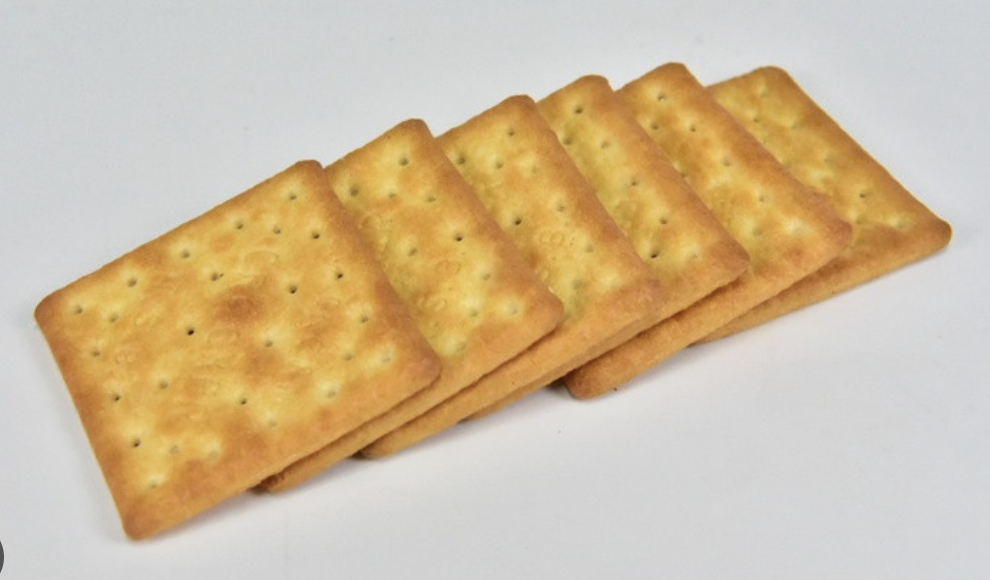


💡 วัตถุดิบที่ดูเรียบง่ายแต่เป็นส่วนประกอบสำคัญที่ช่วยสร้าง "ฐาน" และ "เนื้อสัมผัส" ให้กับเมนูอาหารมากมาย
1. คุณลักษณะและรสสัมผัส
ความกรอบที่เป็นเอกลักษณ์ (Snap & Crunch): แครกเกอร์ที่ดีต้องมีความกรอบแห้ง เมื่อหักหรือเคี้ยวจะมีเสียงดัง "แครก" ซึ่งช่วยเพิ่มมิติการกินให้กับอาหารที่นุ่มหรือเละ
รสชาติที่เป็นกลาง: ส่วนใหญ่มีรสเค็มอ่อนๆ หรือจืด เพื่อให้ไม่ไปกลบรสชาติของวัตถุดิบที่วางด้านบน (Toppings)
ความสามารถในการดูดซับ: แครกเกอร์สามารถดูดซับเนยหรือความชื้นได้ดี ทำให้มันกลายเป็น "ฐาน" ที่แข็งแรงเมื่อนำไปบดผสม
2. การใช้งานในเมนูต่างๆ
ฐานของชีสเค้ก (Cheesecake Crust): เป็นการใช้งานที่แพร่หลายที่สุด โดยการบดแครกเกอร์ให้ละเอียดผสมกับเนยละลาย เพื่อทำเป็นฐานที่กรุบกรอบและหอมมัน
เครื่องเคียง (Accompaniment): ใช้ทานคู่กับชีส (Cheese Board), โคลคัท (Cold Cuts) หรือใช้จิ้มกับดิป (Dips) ต่างๆ เช่น ตับบด (Pate) หรือซัลซ่า
ตัวช่วยเพิ่มเนื้อสัมผัส (Crunchy Topping): บดหยาบๆ โรยหน้ามักกะโรนีอบชีส (Mac & Cheese) หรือสลัด เพื่อเพิ่มความกรอบแทนขนมปังกรอบ (Croutons)
3. เทคนิคสำคัญ
การบดเพื่อทำฐาน: หากต้องการฐานเค้กที่แน่นและเนียน ควรบดแครกเกอร์ให้ละเอียดเป็นผงทราย แต่หากต้องการความกรุบกรอบเป็นพิเศษ ให้เหลือชิ้นส่วนเล็กๆ ไว้บ้าง
การป้องกันความนิ่ม: หากใช้แครกเกอร์เป็นฐานสำหรับของว่างที่มีความชื้น (เช่น วางมะเขือเทศหรือซอส) ควรวางก่อนเสิร์ฟทันทีเพื่อไม่ให้แครกเกอร์ดูดน้ำจนนิ่ม
การเลือกประเภท: แครกเกอร์รสเนย (Butter Crackers) จะเหมาะกับของหวาน ส่วนแครกเกอร์รสเกลือหรือโฮลวีทจะเข้ากับอาหารคาวได้ดีกว่า