
 English
 简体中文
简体中文
กลิ่นวานิลลา
ข้อมูลและคำแนะนำสำหรับการเลือกซื้อและปรุงอาหาร
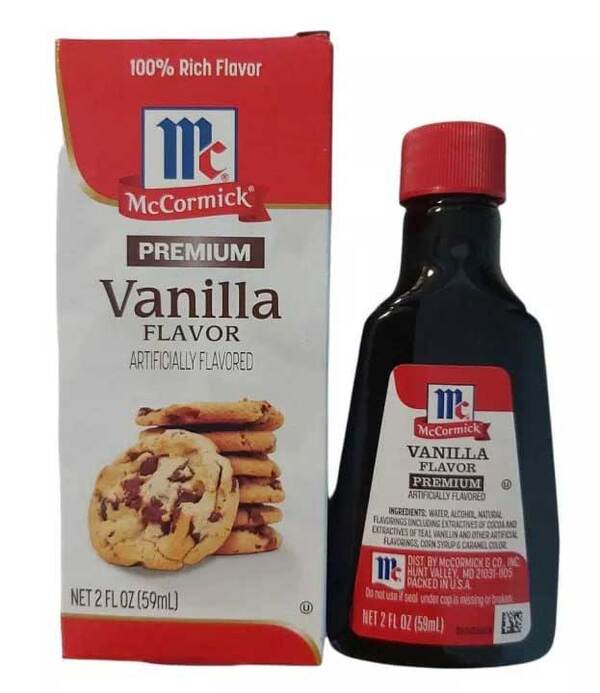


💡 วัตถุดิบที่เปรียบเสมือน "เครื่องเทศทองคำ" ของโลกเบเกอรี่ ซึ่งทำหน้าที่เป็นทั้งตัวชูรสและตัวประสานกลิ่นที่สำคัญที่สุด
วานิลลาได้มาจากการสกัดฝักของกล้วยไม้สายพันธุ์หนึ่ง เป็นวัตถุดิบที่มีโครงสร้างโมเลกุลของกลิ่นที่ซับซ้อนกว่า 200 ชนิด ทำให้มันมีเสน่ห์ที่ยากจะหาวัตถุดิบอื่นมาทดแทนได้สมบูรณ์
1. คุณลักษณะและรสสัมผัส
กลิ่นหอมที่ปลอบประโลม (Aromatic & Comforting): มีกลิ่นหอมหวาน นุ่มนวล และมีความเป็น "ครีมมี่" (Creamy) สูง ช่วยสร้างความรู้สึกอบอุ่นและน่ารับประทาน
ตัวเสริมรสชาติ (Flavor Enhancer): วานิลลาทำหน้าที่คล้ายกับ "เกลือ" ในโลกของขนมหวาน คือไม่ได้แค่ให้กลิ่นวานิลลาอย่างเดียว แต่ยังไปช่วยชูรสชาติของ ช็อกโกแลต คาราเมล หรือผลไม้ ให้เด่นชัดและกลมกล่อมขึ้น
การดับกลิ่น: ช่วยลดกลิ่นคาวของไข่และนมในเมนูคัสตาร์ดหรือเค้กได้ดีเยี่ยม
2. ประเภทของวานิลลาในท้องตลาด
วานิลลาสกัดแท้ (Vanilla Extract): ได้จากการแช่ฝักวานิลลาในแอลกอฮอล์ ให้กลิ่นที่ลุ่มลึกและซับซ้อน
ฝักวานิลลาสด (Vanilla Bean): เป็นรูปแบบที่พรีเมียมที่สุด ให้กลิ่นหอมสูงสุดและมี "เม็ดสีดำเล็กๆ" ที่เพิ่มความหรูหราให้หน้าตาอาหาร
กลิ่นวานิลลาสังเคราะห์ (Vanilla Essence/Flavoring): ราคาประหยัดกว่า ให้กลิ่นหอมชัดเจนแบบโดดๆ แต่อาจขาดมิติของกลิ่นที่ซับซ้อนแบบของแท้
3. เทคนิคสำคัญ
การใส่ตอนท้าย: กลิ่นวานิลลาเป็นน้ำมันหอมระเหยที่สลายตัวได้ง่ายเมื่อโดนความร้อนจัด หากทำคัสตาร์ดหรือซอส ควรใส่วานิลลาหลังจากยกลงจากเตาเพื่อให้กลิ่นหอมยังคงอยู่ครบถ้วน
อย่าใช้มากเกินไป: การใส่วานิลลามากเกินไปอาจทำให้ขนมมีรสขมหรือมีกลิ่นฉุนเหมือนสารเคมีได้
การทำวานิลลาโฮมเมด: คุณสามารถนำฝักวานิลลาที่ใช้ขูดเม็ดออกแล้ว ไปใส่ในโหลน้ำตาลทรายเพื่อทำ "น้ำตาลวานิลลา" หรือแช่ในเหล้าวอดก้าเพื่อทำสกัดเองได้
1. คุณลักษณะและรสสัมผัส
กลิ่นหอมที่ปลอบประโลม (Aromatic & Comforting): มีกลิ่นหอมหวาน นุ่มนวล และมีความเป็น "ครีมมี่" (Creamy) สูง ช่วยสร้างความรู้สึกอบอุ่นและน่ารับประทาน
ตัวเสริมรสชาติ (Flavor Enhancer): วานิลลาทำหน้าที่คล้ายกับ "เกลือ" ในโลกของขนมหวาน คือไม่ได้แค่ให้กลิ่นวานิลลาอย่างเดียว แต่ยังไปช่วยชูรสชาติของ ช็อกโกแลต คาราเมล หรือผลไม้ ให้เด่นชัดและกลมกล่อมขึ้น
การดับกลิ่น: ช่วยลดกลิ่นคาวของไข่และนมในเมนูคัสตาร์ดหรือเค้กได้ดีเยี่ยม
2. ประเภทของวานิลลาในท้องตลาด
วานิลลาสกัดแท้ (Vanilla Extract): ได้จากการแช่ฝักวานิลลาในแอลกอฮอล์ ให้กลิ่นที่ลุ่มลึกและซับซ้อน
ฝักวานิลลาสด (Vanilla Bean): เป็นรูปแบบที่พรีเมียมที่สุด ให้กลิ่นหอมสูงสุดและมี "เม็ดสีดำเล็กๆ" ที่เพิ่มความหรูหราให้หน้าตาอาหาร
กลิ่นวานิลลาสังเคราะห์ (Vanilla Essence/Flavoring): ราคาประหยัดกว่า ให้กลิ่นหอมชัดเจนแบบโดดๆ แต่อาจขาดมิติของกลิ่นที่ซับซ้อนแบบของแท้
3. เทคนิคสำคัญ
การใส่ตอนท้าย: กลิ่นวานิลลาเป็นน้ำมันหอมระเหยที่สลายตัวได้ง่ายเมื่อโดนความร้อนจัด หากทำคัสตาร์ดหรือซอส ควรใส่วานิลลาหลังจากยกลงจากเตาเพื่อให้กลิ่นหอมยังคงอยู่ครบถ้วน
อย่าใช้มากเกินไป: การใส่วานิลลามากเกินไปอาจทำให้ขนมมีรสขมหรือมีกลิ่นฉุนเหมือนสารเคมีได้
การทำวานิลลาโฮมเมด: คุณสามารถนำฝักวานิลลาที่ใช้ขูดเม็ดออกแล้ว ไปใส่ในโหลน้ำตาลทรายเพื่อทำ "น้ำตาลวานิลลา" หรือแช่ในเหล้าวอดก้าเพื่อทำสกัดเองได้