

 English
 简体中文
简体中文
ถั่วทอง
ข้อมูลและคำแนะนำสำหรับการเลือกซื้อและปรุงอาหาร
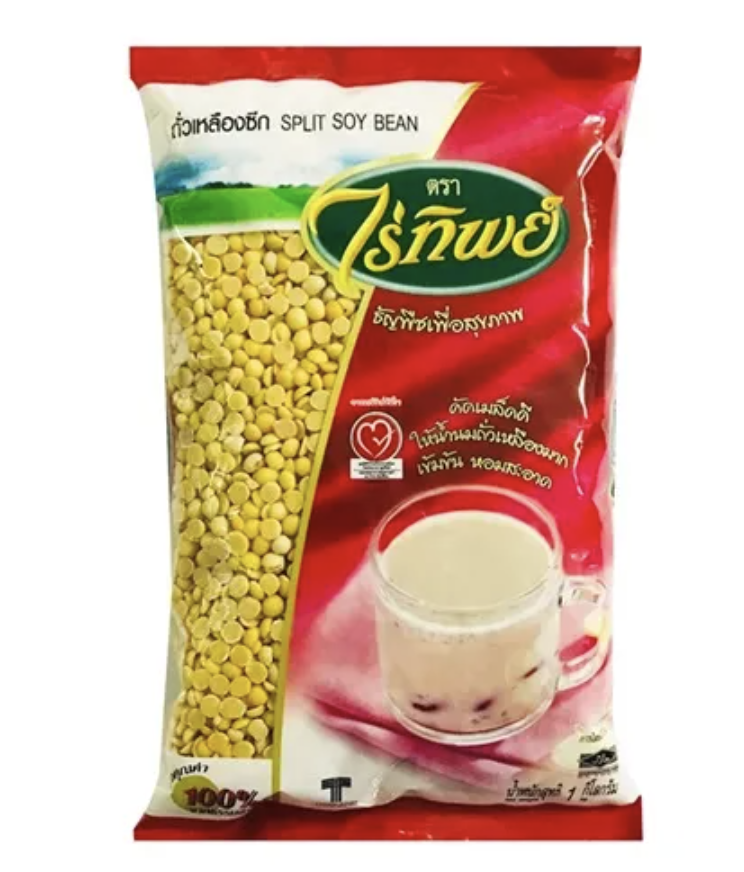


💡 1. คุณลักษณะและรสสัมผัสเนื้อสัมผัสที่เนียนละมุน: เมื่อต้มหรือนึ่งจนสุก ถั่วทองจะมีความนุ่มและสามารถบดให้เนียนได้ง่ายกว่าถั่วชนิดอื่นที่มีเปลือกกลิ่นหอมเฉพาะตัว: เมื่อนำไปคั่วหรือนึ่งจะมีกลิ่นหอมอ่อนๆ ที่เป็นเอกลักษณ์ ซึ่งช่วยเพิ่มความน่ารับประทานให้
1. คุณลักษณะและรสสัมผัส
เนื้อสัมผัสที่เนียนละมุน: เมื่อต้มหรือนึ่งจนสุก ถั่วทองจะมีความนุ่มและสามารถบดให้เนียนได้ง่ายกว่าถั่วชนิดอื่นที่มีเปลือก
กลิ่นหอมเฉพาะตัว: เมื่อนำไปคั่วหรือนึ่งจะมีกลิ่นหอมอ่อนๆ ที่เป็นเอกลักษณ์ ซึ่งช่วยเพิ่มความน่ารับประทานให้กับอาหาร
รสชาติ: มีรสชาติมันอมหวานเล็กน้อยแบบธรรมชาติ (Mild and Nutty) และสามารถดูดซับรสชาติจากกะทิหรือน้ำตาลได้ดี
2. การใช้งานในเมนูต่างๆ
หัวใจของขนมไทย: เป็นวัตถุดิบหลักในขนมไทยหลายชนิด เช่น ถั่วแปบ, เม็ดขนุน, ลูกชุบ (ใช้ถั่วกวน) และ เต้าส่วน ที่เน้นความเหนียวข้นและเมล็ดถั่วที่นุ่มนวล
การเพิ่มความกรุบกรอบ: นิยมนำไปแช่น้ำแล้วทอดหรืออบจนกรอบ ใช้โรยหน้าขนม เช่น ข้าวเหนียวมะม่วง หรือทานเป็นของว่างเพื่อเพิ่มเนื้อสัมผัส (Texture)
อาหารคาว: ในอาหารอินเดีย (เรียกว่า Moong Dal) นิยมนำไปทำแกงถั่ว เพื่อให้ได้น้ำแกงที่ข้นและมีรสสัมผัสนุ่มนวล
3. เทคนิคสำคัญ
การล้างและการแช่: ก่อนใช้งานควรล้างให้สะอาดจนน้ำใสเพื่อไล่กลิ่นเหม็นเขียว และควรแช่น้ำไว้อย่างน้อย 3-6 ชั่วโมงเพื่อให้ถั่วดูดน้ำและสุกสม่ำเสมอเมื่อนำไปนึ่งหรือต้ม
การนึ่งให้พอดี: หากจะทำถั่วกวน ควรนึ่งจนถั่วบานและนิ่มจนสามารถบดด้วยนิ้วได้ง่าย แต่ถ้าจะทำเต้าส่วน ควรต้มให้สุกพอดีไม่ให้เมล็ดเละจนเกินไป
การคั่วเพิ่มความหอม: การนำถั่วทองไปคั่วในกระทะก่อนนำไปปรุงอาหารจะช่วยดึงกลิ่นหอมให้ชัดเจนยิ่งขึ้น